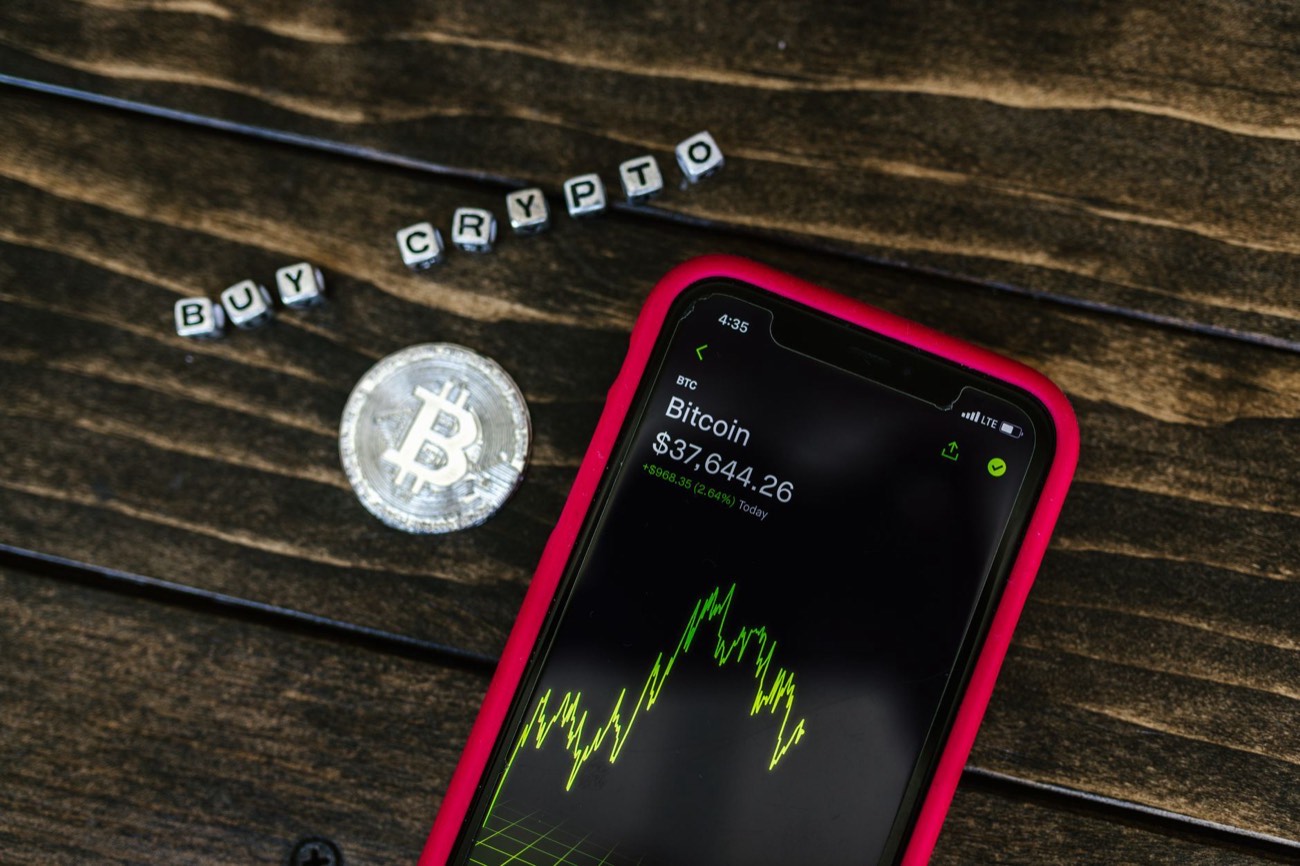
Buying your first cryptocurrency safely comes down to five steps: pick a reputable exchange, verify your identity, connect a payment method, place a small first order, and move the crypto to a wallet you control. Start with an amount you can afford to lose completely, because prices move quickly and transactions cannot be reversed. Use a strong, unique password and turn on two-factor authentication before you deposit any money. There is no rush and no “perfect” moment to buy. Taking an extra hour to understand the process protects you far more than trying to time the market.
This guide walks through each step in plain language. It is educational only and does not tell you what or when to buy.
Step 1: Understand what you are actually buying
Before spending anything, it helps to know what a cryptocurrency is. In simple terms, it is a digital asset recorded on a shared public ledger called a blockchain. No bank sits in the middle. That design gives you more control, but it also means mistakes are usually permanent. If you send funds to the wrong address or lose your password, there is often no support line that can undo it.
If these ideas are new, start with our explainer on what cryptocurrency is and our overview of what Bitcoin is. Understanding the basics first makes every later step less confusing.
Step 2: Choose a reputable exchange
An exchange is a company that lets you swap regular money (dollars) for crypto. For beginners, a large, established, U.S.-based exchange is usually the most practical starting point because the process is guided and support exists.
When comparing options, look at a few concrete things rather than flashy promotions:
| What to check | Why it matters | Beginner-friendly sign |
|---|---|---|
| Registration and compliance | Regulated platforms follow consumer rules | Registers with U.S. authorities |
| Security track record | Past breaches signal risk | Clear security page, no major recent hacks |
| Fees | Fees quietly reduce what you own | Transparent, easy-to-find fee schedule |
| Supported payment methods | Affects speed and cost | Bank transfer and debit options |
| Ease of use | Reduces costly mistakes | Simple app, clear buy screen |
Be cautious of any platform that promises guaranteed returns, pressures you to act fast, or is advertised mainly through direct messages. Those are classic warning signs the FTC associates with crypto scams.
Step 3: Create and secure your account
Once you pick a platform, sign up with an email you control. Two security steps matter more than anything else here:
- Use a strong, unique password. Do not reuse a password from another site. A password manager makes this easy.
- Turn on two-factor authentication (2FA). Prefer an authenticator app over text-message codes when possible, because SIM-swap attacks can intercept texts.
Regulated U.S. exchanges will also ask you to verify your identity, often called KYC (“Know Your Customer”). Expect to provide your name, address, date of birth, and a photo of a government ID. This is normal and required by financial regulations, not a red flag.
Step 4: Connect a payment method and deposit
Most exchanges let you fund your account with a bank transfer or a debit card. Bank transfers are usually cheaper; cards are faster but often cost more in fees.
A few safety habits at this stage:
- Deposit only what you have decided in advance to risk.
- Double-check that you are on the official app or website, not a lookalike. Type the address yourself instead of clicking links in emails or ads.
- Ignore anyone who contacts you offering to “help” you invest. Legitimate exchanges do not have staff who reach out to place trades for you.
Step 5: Place a small first order
With money in your account, you can buy. On the buy screen you will usually enter a dollar amount rather than a number of coins, and the exchange converts it. Remember you can buy a fraction, so a $25 order is completely normal.
For a first purchase, small is smart. The goal is to learn the mechanics, not to make money quickly. Once you confirm the order, the crypto appears in your exchange account.
If you are deciding between the two best-known assets, our comparison of Bitcoin vs Ethereum explains how they differ, without recommending either.
Step 6: Decide where to store it
Leaving crypto on an exchange is convenient but means the exchange controls the keys, not you. Moving it to your own wallet gives you control and reduces the risk that a platform problem affects your funds.
There are two broad wallet types:
| Wallet type | How it works | Best for |
|---|---|---|
| Hot wallet | Software connected to the internet | Small amounts, frequent access |
| Cold wallet | Hardware kept offline | Larger amounts, long-term holding |
Our guide to hot wallets vs cold wallets covers the trade-offs in detail. Whichever you choose, back up your recovery phrase on paper and never share it. Anyone who has that phrase can take everything.
Common beginner mistakes to avoid
- Rushing because of hype. Fear of missing out leads to careless mistakes. There will always be another day.
- Sending to the wrong address. Always copy-paste and verify the first and last characters. Crypto transfers are irreversible.
- Trusting DMs and “advisors.” Unsolicited investment help is a leading scam pattern reported to the FTC.
- Ignoring taxes. In the U.S., selling or trading crypto can be a taxable event. Keep records of what you paid.
To go deeper on protecting yourself, read how to keep your crypto safe and our overview of common crypto scams.
The bottom line
Buying your first cryptocurrency safely is less about picking a winner and more about handling the process carefully. Choose a reputable exchange, lock down your account, start with a small amount you can afford to lose, and move your funds to a wallet you understand. Go slowly, verify every step, and treat anyone promising quick riches as a warning sign, not an opportunity.