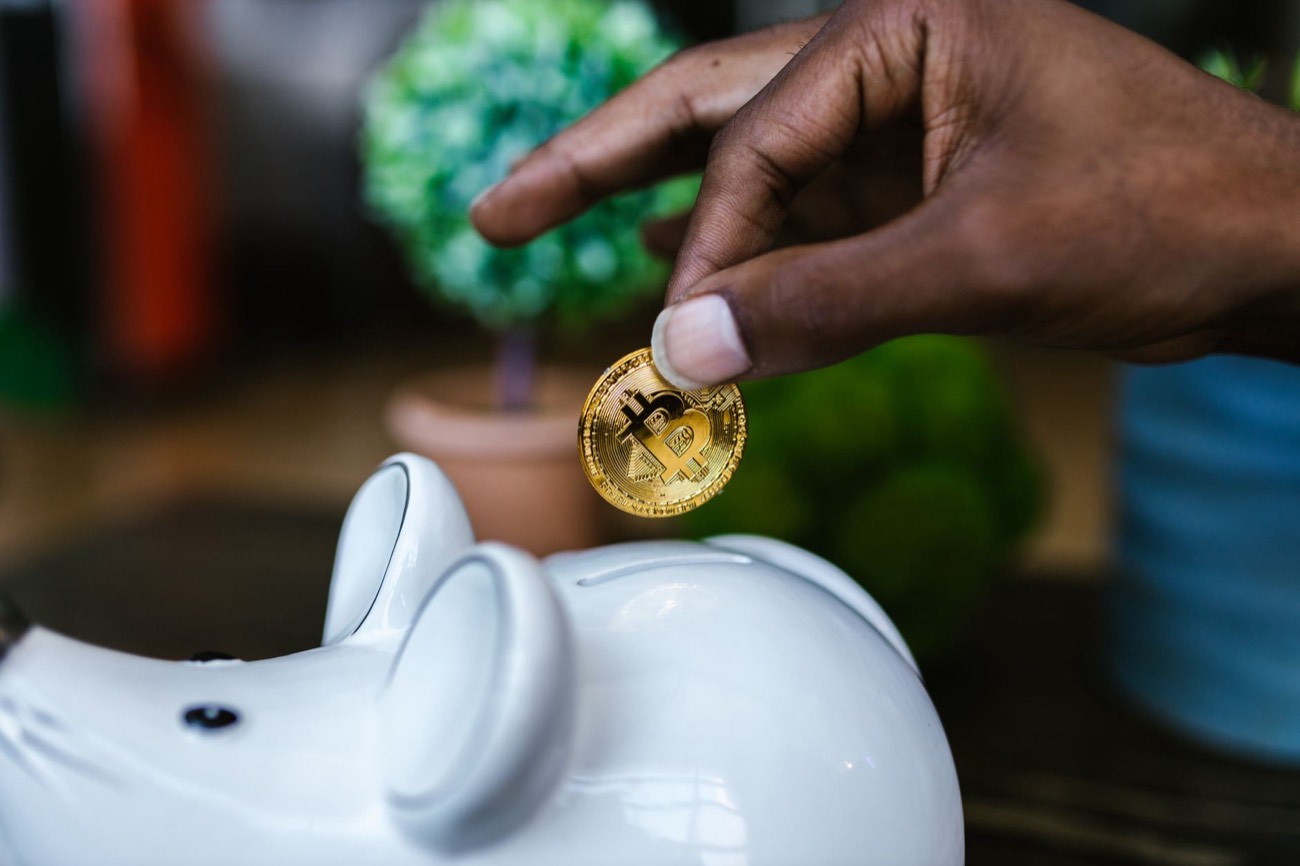
Keeping your crypto safe comes down to a handful of consistent habits. Guard your recovery phrase above all else, use strong and unique passwords, turn on two-factor authentication, and move larger holdings off exchanges into a wallet you control. Double-check every address before sending because transactions cannot be reversed, and treat any unsolicited “investment help” as a likely scam. None of these steps require technical skill. The biggest losses usually come from simple human mistakes and social-engineering scams, not from hackers breaking the underlying technology. Building good habits early protects you far more than any single tool.
Here are eight rules, in plain language, with the reasoning behind each.
Why crypto safety is different
With a bank account, a fraudulent charge can often be disputed and reversed. Crypto works differently. Most transactions are irreversible, and you are your own security team. That is empowering, but it means a single careless moment can be costly. The good news: the rules below cover the situations where beginners most often lose funds.
If you are brand new, our explainer on what cryptocurrency is gives helpful background.
The 8 rules at a glance
| # | Rule | Protects against |
|---|---|---|
| 1 | Guard your recovery phrase | Total loss of funds |
| 2 | Use strong, unique passwords | Account takeover |
| 3 | Turn on two-factor authentication | Stolen-password logins |
| 4 | Don’t keep everything on an exchange | Platform failures or breaches |
| 5 | Verify every address before sending | Irreversible mistakes |
| 6 | Beware unsolicited “help” and DMs | Social-engineering scams |
| 7 | Use official apps and bookmark sites | Fake apps and phishing |
| 8 | Keep software and devices updated | Malware exploiting old bugs |
Rule 1: Guard your recovery phrase like it is your money
Your recovery phrase (or seed phrase) is a list of words that can restore your wallet. Whoever has it controls your funds. Write it on paper or metal, store it somewhere private, and never type it into a website, save it as a photo, or keep it in a cloud note. No legitimate service will ever ask you to share it. This one rule prevents the majority of catastrophic losses.
Rule 2: Use strong, unique passwords
Reused passwords are a gift to attackers. If one site is breached, they will try the same password everywhere. Use a long, unique password for every crypto account, and let a password manager remember them so you do not have to.
Rule 3: Turn on two-factor authentication (2FA)
2FA adds a second lock, so a stolen password is not enough to get in. Where possible, use an authenticator app rather than text-message codes, because SIM-swap attacks can intercept texts. Our guide on how to buy your first crypto walks through enabling this during setup.
Rule 4: Don’t keep everything on an exchange
Leaving crypto on an exchange is fine for small amounts and active trading, but the exchange holds the keys, not you. For larger or long-term holdings, move funds to a wallet you control. To choose a storage style, compare a hot wallet vs a cold wallet.
Rule 5: Verify every address before you send
Crypto addresses are long strings, and malware exists that swaps a copied address for the attacker’s. Always paste the address, then check the first and last several characters against the original. Send a small test amount first for large transfers. Because transactions are irreversible, this five-second habit can save everything.
Rule 6: Be suspicious of unsolicited help and DMs
The FTC reports that many crypto losses start with someone who reaches out — a “friend,” a romantic interest, a fake support agent, or a stranger in a group chat — offering help or a can’t-miss opportunity. Legitimate companies do not message you to place trades or ask for your keys. Treat unsolicited investment advice as a warning sign by default.
Rule 7: Use official apps and bookmark the real sites
Fake wallet and exchange apps appear regularly, and phishing sites copy real ones closely. Download apps only from official sources, bookmark the genuine website, and type or use your bookmark instead of clicking links in emails, ads, or messages.
Rule 8: Keep your software and devices updated
Updates patch security holes that attackers rely on. Keep your phone, computer, browser, and wallet apps current, and avoid managing crypto on shared or public devices.
What to do if something goes wrong
If you think an account is compromised, act fast: change passwords, revoke suspicious app permissions, and move funds to a new wallet if the recovery phrase may be exposed. If you were scammed, you can report it to the FTC. Reversals are rare, but reporting helps authorities track patterns.
To recognize threats before they cost you, read our guide to common crypto scams and our balanced look at whether crypto is safe for beginners.
The bottom line
Crypto safety is mostly about discipline, not technology. Protect your recovery phrase, lock down your accounts, verify before you send, and stay skeptical of anyone offering unsolicited help. Follow these eight rules consistently and you will avoid the mistakes that cause most beginner losses.